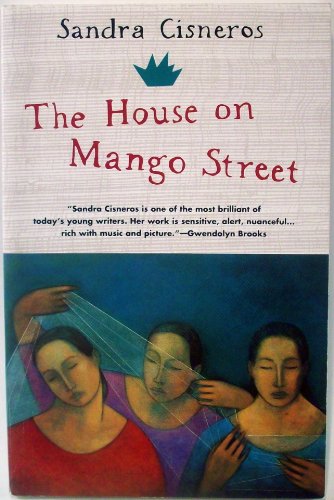
Esperanza wants a different name and a house of her own. Her father promised that one day they would have a real house for her mother, her four siblings and her. The House on Mango Street was just a temporary house said her mother.
The House on Mango Street is written in vignettes which are not quite poems and not quite full stories. These vignettes reflect a young girl's attention span. Esperanza jumps from one topic to another as she narrates her own life.
During the time span that Ezperanza narrates, she matures significantly. A few of her experiences are friendship, her first crush, sexual assault, and growing hips. She begins to write as a way to express herself and to escape the neighborhood.
Esperanza's desire to leave Mango Street grows stronger after she befriends a girl her age - Sally. Sally is more sexually mature than Esperanza. She uses boys to escape the abuse she faces from her father. Their friendship results in a crisis when Sally leaves Esperanza alone, and a group of boys sexually assaults her.
Esperanza comes to the conclusion that she will never fully be able to escape Mango Street. She discovers that if she were to leave she would return to help the women who she has left. For now, she remains on Mango Street and uses her writing to put distance between herself and her situation. In the future, she hopes that writing will help her to escape physically, but for now it will help her only emotionally.
Aunt Lupe tell Esperanza to keep writing because it will keep her free.Writing gives Esperanza a power she didn't know she had; it keeps her spiritually free. John Gaughan in his piece Cultural Reflections wishes that students be cognizant and appreciative of the power of language and the effects it has on them and their world. If Esperanza can use beautiful language to write about a terrible experience, then the experience seems less awful.

No comments:
Post a Comment